The Westwater Difference

The Westwater Difference

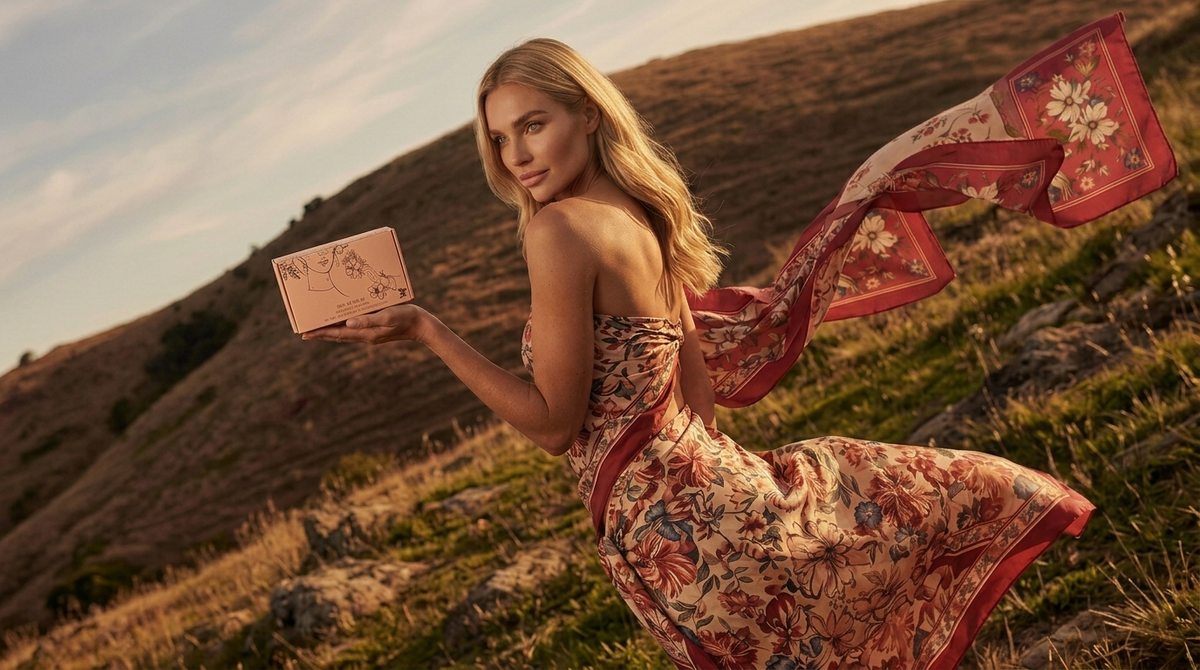
The Retreat pop-up foil box with hand-drawn line art, surrounded by pink butterflies

The Weight – It's technical.

The Westwater signature weight was chosen for precision. It responds faster to heat, which means more accurate, predictable lift. It moulds closer to the section, the contact between foil and hair is cleaner, tighter, more controlled. The emboss carries the structural load, the weight handles the technique.

Close-up of WF signature embossing on silver hair foil

The Grip – It's structural.

Thousands of raised contact points, each one creating mechanical resistance against the hair strand. Your section stays exactly where you place it. Product distributes evenly across the surface. Grip that's consistent however you work. You'll feel the difference.

A hand lifting a foil from The Retreat pop-up box

The Size – It's the best all rounder.

Most pre-cut foil on the market was sized around a machine default rather than a decision. It was short enough to be economical, narrow enough to suit a standard parting. Neither was designed around the full range of what a colourist actually does in a working day.

The Retreat pop-up box against a pink butterfly-wing backdrop

What's actually happening with embossed grip, the technical picture.

Raw aluminium starts smooth, and smooth is the problem. At a microscopic level, a flat surface creates one uniform plane of contact, and uniform contact means nothing stops lateral movement. Foil sits against hair and slides. Shallow embossing doesn't solve this, it just adds cosmetic texture without changing the physics.

Westwater's signature embossing passes aluminium through precision-machined rollers under controlled pressure, permanently deforming the surface into a raised three-dimensional pattern. Each raised point becomes a discrete contact site: instead of one flat plane meeting hair, you get thousands of individual peaks making contact across the surface. Surface scientists call this asperity contact, where raised points physically interlock with the irregular structure of a hair strand and resist lateral movement. Hair can't slide cleanly across a textured surface the way it slides across a smooth one.

The recessed areas between each raised point act as small micro-reservoirs, and when colour is applied it settles into those channels rather than pooling or gathering. The result is more even saturation across the whole section, not just the parts that got direct contact.

There's a third effect, and it compounds the first two. Embossing mechanically works the aluminium, and that process softens it: deeper embossing produces a more pliable foil. A softer foil moulds more closely to the curve of a hair section, which increases the contact area between foil and hair even further, and grip increases again.

Three properties from one process: interlock, distribution, and mould, all a result of how deep the embossing runs.

Aluminium conducts heat.

Conductivity is the fundamental property, and it's the reason foil belongs in a colour service at all. But conductivity isn't uniform across every gauge. The thickness of a foil directly determines how quickly it reaches processing temperature, how evenly that temperature distributes across the surface, and how accurately it responds to changes in the environment around it.

A lighter gauge reaches thermal equilibrium faster. The foil responds to the heat generated by the colour or lightener almost immediately, so the processing environment inside the fold stabilises quickly and holds consistently from root to tip. There's no lag between application and activation. The temperature the colourist intends is the temperature the service receives.

Pliability is the second property gauge affects. A lighter sheet deforms more readily under light pressure, so it conforms more closely to the curved surface of a section. The contact between foil and hair is tighter, the folds sit flush, and the sealed environment inside the foil is more complete: less heat escapes, less oxygen enters, and the colour process runs in a more controlled, more predictable environment.

The result is a foil that's thermally responsive, structurally sound, and precisely conforming. Each property compounds the others. Together, they produce a foil that performs with a consistency a heavier, stiffer sheet can't replicate.

The Retreat pop-up foil box with hand-drawn line art, surrounded by pink butterflies
The Retreat pop-up box on a dark rose butterfly-wing backdrop
Our preferred
signature size is 15 x 30 cm.

Not too long to fold a five-week regrowth into.

Not so short that you run out of room painting out a tip.

Foil size is a geometry problem: the dimensions have to accommodate the full range of physical demands a colour service places on it.

The length of a hair section, the width of a parting, the volume of product being applied, and the structural integrity of the fold under that product's weight across a full processing time.

The Retreat pop-up box on a soft pink butterfly-wing backdrop
The size that removes every limitation the wrong one creates.

Width is the first consideration. A foil that's too narrow forces the colourist to adjust the section to fit the foil, and that's the wrong relationship between tool and technique. The tool should serve the technique.

At 15cm, Westwater foil accommodates a full-width section without adjustment and without the risk of product migrating beyond the fold during processing. The colourist places it once. It stays.

Length is the second consideration, a regrowth application on a five-week client doesn't require significant length. A tip-out on long hair does. At 30cm, Westwater foil covers the full working length of every standard colour service without excess.

WF Lift and Lock system.

We made the box do a little more of the work.

Foils hiding at the bottom? Not on our watch. Engage the lift tray and it pops up, locks in and keeps your remaining foils within easy reach.

Down to the last foil. Literally.