

































When to say no to a colour service
When to say no to a colour service
The services that damage a colour business aren't always the ones that go visibly wrong.
They're the ones that should never have been booked in the first place. The unrealistic brief. The client whose hair can't safely go where they want it to. The appointment squeezed into a slot that was always going to be too short. The colour history that makes the requested result genuinely inadvisable.
Saying no to the wrong service is one of the most valuable skills in a colour career.

The client whose hair can't safely get there today
This is the clearest case for declining a service as it's been requested. A client wants to go from a box-dye black to a cool platinum in one visit. Or from a heavily processed blonde to a natural dark tone with no regrowth. Or any technical brief that would require compromising the integrity of the hair to deliver.
Saying yes to this service isn't serving the client. It's setting up a result that damages the hair, damages your reputation, and damages the trust in the relationship when it doesn't work out. Saying no, with a clear alternative plan attached, is the service.
"What you want is achievable. Here's the journey to get there safely, and here's what I'd recommend we do today as the first step."
Most clients accept this when it's framed as a plan rather than a refusal.
The appointment that was never going to fit the time
Bookings sometimes get made at reception or online for services that genuinely don't fit the slot allocated. A full-head foil booked as a partial. A colour correction booked as a standard foil visit. A client with significantly more hair than the booking accounted for.
Proceeding with the wrong time allocation usually means rushing, compromising on the result, or running significantly late for every client after. None of those outcomes serve anyone well.
The conversation is straightforward. "Based on what you're looking for and the hair you have, this service needs a longer appointment than the one we've got today. I'd rather rebook you into the right slot than deliver something that isn't your best."
This protects the result, protects your reputation, and teaches the client that your time is considered.
The client who's shopping purely on price
Clients who focus the consultation primarily on price, compare your rates to cheaper salons, or ask for discounts on quoted services are signalling something important. They're not shopping for your service specifically. They're shopping for the cheapest version of a service.
Those clients rarely stay, rarely refer within your target market, and rarely value the work you deliver. Turning them down politely at the consultation stage is often better for both parties. They find a salon that matches their budget priority. You free up the slot for a client who values what you do.
The client whose expectations can't be managed
Occasionally a client arrives with expectations that simply can't be aligned with reality. They want a result that's physically not possible. They want an image replicated that was heavily edited. They've had difficult experiences at previous salons and are anticipating another.
If, after a thorough consultation, the client still cannot accept what's realistically achievable, declining the service is more responsible than attempting it. A service that was never going to satisfy the client damages them, damages you, and damages the salon. Recognising this before the foil goes on is a skill worth developing.
How to say no without losing the client forever
The words matter. A refusal delivered well can actually deepen the client's trust in you. A refusal delivered poorly can end the relationship permanently.
Lead with understanding. Explain your reasoning clearly. Offer an alternative whenever possible. Keep the conversation about the work, not the client as a person.
"I love this direction and I can absolutely get you there. The safest way to achieve it is across two visits, and here's why..." lands very differently from "I can't do that today."
Clients who are told no respectfully, with a clear path forward, often become the most loyal clients on the column. They recognise the judgement behind the decision and trust it on everything that follows.
Saying no protects the yes
Every service you accept that shouldn't have been accepted costs you something. Time. Energy. Reputation. Sometimes the ability to serve your next three clients properly. The colourists with the strongest columns are disciplined about which services they take on.
Saying no to the wrong work is how you say yes to the right work. It's one of the least discussed and most important skills in the trade.
FAQ
When should a colourist decline a colour service?
The clearest cases are when the client's hair can't safely reach the requested result in a single visit, when the appointment time genuinely doesn't fit the service required, or when expectations can't be realistically aligned despite a thorough consultation. Declining in these cases protects the client, the result, and the relationship.
How do I tell a client their colour goal isn't achievable in one visit?
Lead with what is achievable, then explain the full journey clearly. Frame it as a plan rather than a refusal. "What you want is achievable. Here's how we get there safely across two or three visits, and here's what I'd recommend we do today as the first step." Most clients accept a staged plan when it's delivered with clarity and confidence.
Is it okay to turn away price-focused clients?
Yes, and often it's the healthier decision for both parties. Clients who shop primarily on price are rarely loyal to a specific colourist and rarely stay as rates grow. Referring them politely to a service level that matches their budget protects the relationships you want to build and the time you need for the clients who value your work.
How do I decline a booking without damaging the client relationship?
Explain your reasoning clearly, offer an alternative wherever possible, and keep the conversation focused on the work rather than the client personally. Most clients respect a confident, well-reasoned no far more than a reluctant yes. Delivered well, a decline can actually deepen the client's trust in your judgement.
What if a client insists on the service after I've recommended against it?
Hold the position. If your professional assessment is that the service isn't safe or won't deliver a result the client will be happy with, proceeding anyway serves no one. Document the conversation in your notes, restate your recommendation, and if the client still insists, it's generally better to decline the booking altogether than to deliver a service you don't stand behind.


Shop The Retreat
The Retreat
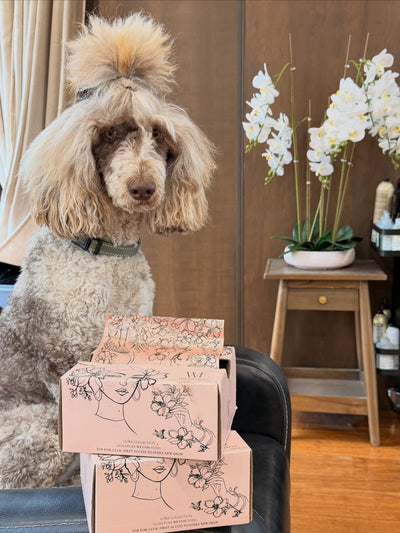
Foil finally got its glow-up, so blame me if it ruins other foil for you.
From $29$0.06/foil · 500 foils per box
Add to trolley